

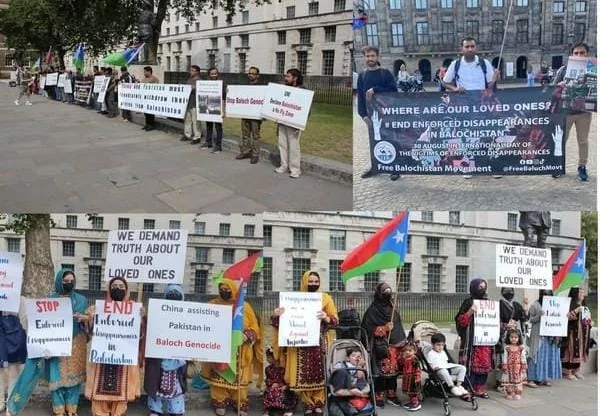
Balochistan, Pakistan’s largest province by area, has long been a region marked by conflict, neglect and recurring allegations of human rights abuses. Despite its vast natural resources and strategic importance, the people of Balochistan have faced decades of political marginalization and socio-economic deprivation. Over time, protests, insurgencies and heavy-handed state responses have created a climate of fear and instability. The issue of atrocities in Balochistan has therefore become a major international human rights concern, demanding global awareness and sustained political attention.
The roots of unrest in Balochistan go back to 1948, when tensions first emerged between the central government and Baloch nationalist groups. Since then, multiple waves of insurgency have occurred, fuelled by demands for greater autonomy, rights over natural resources and protection of ethnic identity. While the state views these movements as security threats, many Baloch communities see them as a struggle for justice and recognition.
One of the most disturbing issues in Balochistan is the large number of enforced disappearances. Activists, students, teachers and political workers have reportedly been taken into custody without legal process. Families continue to protest for the safe return of their loved ones, but answers remain scarce. Rights organizations have repeatedly documented cases of tortured bodies being found in remote areas. Such incidents, often linked to security operations, have deepened mistrust and fear across communities.
Frequent military operations have led to displacement, loss of property and disruption of daily life. Many civilians are caught in the crossfire between insurgent groups and security forces, leaving them vulnerable and traumatised. Journalists, activists and even local community leaders face pressure and threats when they attempt to report or speak about abuses. This has created a near “information blackout” in parts of the province, preventing independent verification of events.
Although Balochistan is rich in natural resources including gas, minerals and valuable coastlines its people continue to face extreme poverty. Many areas lack basic facilities such as schools, hospitals, clean water and employment opportunities. This deep sense of injustice fuels resentment among the population, especially when they see development benefiting other regions more than their own. Decades of unrest have severely affected the social fabric of Baloch society. Families of missing persons live in constant anxiety, children face disrupted education and women carry the emotional burden of displacement and loss. The humanitarian crisis has received limited international attention due to restricted access and censorship.
The situation in Balochistan represents one of South Asia’s most persistent human rights challenges. The reported atrocities ranging from enforced disappearances to socio-economic exclusion have created widespread fear and resentment. Lasting peace in the region requires sincere political dialogue, accountability for human rights violations and fair distribution of resources. Only when the voices of the Baloch people are heard and their grievances addressed can true stability and justice be achieved. Baluchistan’s future depends on compassion, transparency and meaningful reform.

