

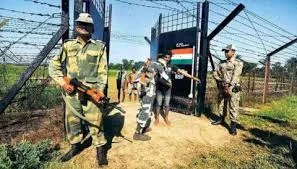
Border villages in India, particularly those located along the Line of Control in Jammu & Kashmir and the International Border with Pakistan, China, Nepal, Bangladesh and Myanmar, represent the nation’s first line of civil presence. These villages often face unique challenges, including harsh terrain, limited infrastructure, disrupted schooling, ecological constraints and psychological pressure due to persistent security concerns. In such environments, the Indian Army has consistently played a pivotal role in stabilising the population, enabling devp and ensuring that the aspirations of border communities remain aligned with national progress. Community development in these areas is not merely an act of assistance but a strategic imperative. Strengthening the socio-economic fabric improves local resilience, reduces vulnerability to adversarial propaganda and enhances trust between the population and security forces. Over the years, multiple initiatives in education, health, infra, youth empowerment and emergency relief have been undertaken, contributing significantly to national security and regional stability.
Education Support & School Strengthening: Est and SP of Army Goodwill Schools, remedial teaching centres and digital classrooms across the border belts of J&K. Regular career counselling sessions, motivational lectures and coaching for competitive exams, including NDA, SSC, police recruitment and engineering entrance tests. Distribution of school supplies, sports eqpt and winter clothes to ensure uninterrupted schooling even in harsh climates.
Assistance in constructing and repairing roads, culverts, footbridges and mule trails connecting remote habitations, Est of solar lights, water storage facilities and specially in restoring irrigation canals to enhance agricultural productivity. Providing tech specially in repairing community halls, veterinary sheds and village primary health centres.
Regular medical, dental and veterinary camps are organised in villages lacking adequate facilities. Distribution of hygiene kits, sanitary supplies and nutritional supplies to vulnerable families. Emer assistance during snowstorms, floods, shelling incidents and med evacuation using Army resources.
Conduct of sports tournaments, trekking expeditions, adventure camps and youth interaction programs to channelize energy positively. In setting up skill-development workshops related to tailoring, carpentry, computer literacy and basic trades. Structured interaction with local youth to counter radicalisation attempts and encourage mainstream participation.
Celebration of national festivals, cultural events and community gatherings to foster unity. Coord with local adm for grievance redressal and developmental planning. Strengthened communication channels to counter misinformation and build trust.
Community awareness programs have been essential in shaping attitudes and building long-term resilience. Efforts include raising awareness of the importance of hygiene, women’s education, substance abuse prevention and village safety norms during border firing or natural calamities. Through reg interactions, locals are motivated to maintain social harmony, discourage anti-national elements and foster a cooperative environment with security forces. The Army also encourages the formation of youth clubs and women’s self-help groups to create self-sustaining community initiatives. Education is central to community development, especially in regions affected by conflict. The Army’s presence ensures continuity of learning despite challenging conditions.
Special focus is given to improving school infrastructure, guiding students towards productive careers and exposing them to national opportunities beyond their local environment. Outreach efforts emphasise discipline, moral values and national integration, ultimately helping the youth envision a secure, prosperous future within the mainstream.
Med outreach plays a life-saving role in remote border villages where health infrastructure remains minimal. The Army’s mob med teams provide preventive healthcare, seasonal illness management and emergency evacuation. Awareness drives on nutrition; child health and sanitation have helped reduce disease burden. In winter and fire-affected areas, the timely delivery of essential supplies ensures survival and stability.
By assisting civil agencies and local panchayats, Army has significantly improved physical connectivity. Better roads and bridges enhance mobility, access to markets and emergency response during crises. Development of community infrastructure fosters a sense of stability and belonging among villagers, reducing migration from border areas and ensuring continuous civil presence, which is critical for national security.
In agriculture-based border villages, support for farmers through seed distribution, training on modern practices and irrigation assistance has boosted productivity. Encouraging handicrafts, cattle rearing and small-scale entrepreneurship empowers families economically. Livelihood security, in turn, promotes social stability and reduces susceptibility to external influence.
The population living close to borders often faces psychological stress due to firing, infiltration attempts and adversarial propaganda. By maintaining a reassuring presence, conducting regular village visits and engaging youth constructively, Army contributes significantly to reducing fear and preventing anti-India narratives from taking root. Confidence-building efforts help villagers feel secure, valued and part of the national fabric.
Strong civil-military relations enable villagers to share timely information on suspicious movements, infiltration routes or potential threats. This improves operation awareness and strengthens border management. Positive engagement has directly contributed to reducing friction in sensitive zones. A supportive population reduces the chances of confrontation and improves the mob. With villagers fully cooperating during operation, Army can manoeuvre more effectively across terrain, utilise villagers’ terrain and establish temporary posts without resistance. Development interventions contribute to lasting peace, reducing radicalisation and ensuring fewer opportunities for adversaries to exploit local dissatisfaction. A stable civil environment significantly enhances border security.
Community development in India’s border villages, especially in Jammu & Kashmir, is a strategic investment in national security. Through sustained efforts in education, health care, infrastructure improvement and youth empowerment, the Indian Army has not only improved living conditions but strengthened the nation’s first line of defence, that is, the civilian population. The present achievements stand as testimony to the transformative power of coordinated civil-military cooperation. Going forward, deeper integration with local adm, modern tech adoption and continued engagement with youth will ensure that border communities remain resilient, prosperous and firmly aligned.

