

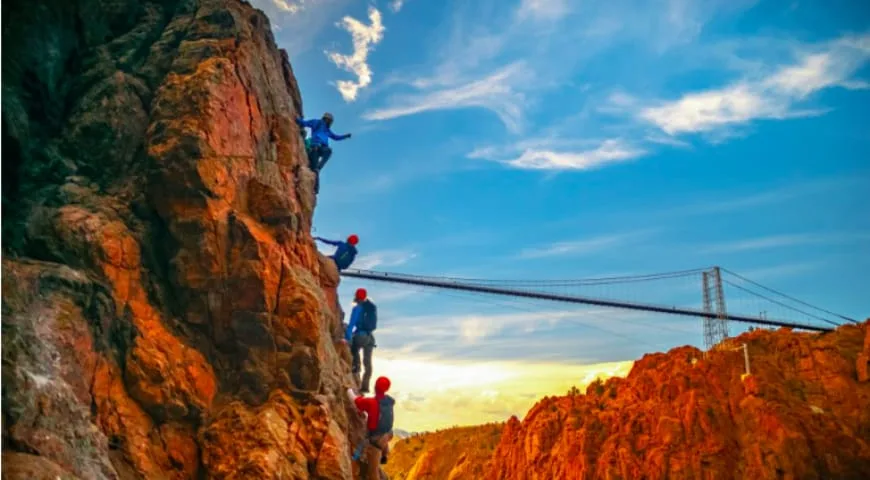
Mountain climbing is a pursuit that transcends mere physical challenge, it is a journey of self-discovery, resilience and connection with nature. For many climbers, the mountains represent a sanctuary where they can confront their fears, push their limits and experience the sublime beauty of the natural world. This article chronicles the experience of a mountain climber, exploring the preparation, challenges and triumphs.
The mountain climbing experience begins long before setting foot on the trail. Preparation is key to success, both in terms of physical fitness and mental readiness. Climbers often spend months conditioning their bodies to handle the physical demands of ascending steep slopes, unpredictable weather and high-altitude conditions. Cardiovascular endurance, strength training and flexibility are all part of the training regimen that helps climbers prepare for the physical strain ahead.
Equally important is the mental preparation. Mountain climbing is not just about physical strength, it requires a strong mindset to overcome obstacles, stay focused and keep pushing forward when the journey gets tough. The anticipation of reaching the summit fuels the climber’s determination but so does the knowledge that the path to the top will be filled with challenges that require patience, strategy and adaptability. Preparation is crucial in mountain climbing and climbers understand this well.
Months before an ascent, climbers immerse themselves in training. They often join climbing gyms to build strength and technique, participate in weekend hikes to improve endurance and study the route and weather conditions of the mountain they plan to climb. Climbers also invest in quality gear, ensuring they have the right equipment for the climb.
In addition to physical training, mental preparation is equally important. Climbing is as much a mental challenge as it is a physical one. Many climbers practice visualisation techniques, imagining themselves successfully reaching the summit and navigating potential obstacles. They also connect with experienced climbers who share insights and advice, emphasising teamwork and communication.
The day of the climb arrived and Sarah felt a mix of excitement and nervousness as she stood at the base of Mount Rainier. The air was crisp and the sun cast a warm glow on the snow-capped peak. With her climbing team, she began the ascent, each step bringing her closer to her goal. The initial stages of the climb were filled with laughter and camaraderie as they navigated through lush forests and rocky trails. As they gained elevation, the terrain became more challenging. The path turned steep and the air grew thinner. Sarah felt the burn in her legs and the weight of her pack but she pushed through, motivated by the stunning views that unfolded with each step. The camaraderie among the team was palpable, they encouraged one another, shared snacks and took moments to appreciate the beauty surrounding them.
The terrain can vary dramatically from rocky paths and glaciers to ice fields and snow-covered slopes. Each step requires careful consideration of footing, balance and technique. The challenge of climbing is not just physical, it’s also about navigating unpredictable weather conditions. Sunlight can quickly turn to rain or snow and winds can become fierce, making the ascent even more gruelling. At higher altitudes, the body begins to feel the effects of thin air. The air pressure is lower and there is less oxygen available for the climber’s muscles and brain. This is where acclimatisation becomes essential. Climbers must allow their bodies time to adjust to these conditions, often taking rest days at intermediate camps before continuing higher.
The risk of altitude sickness is a constant concern with symptoms ranging from headaches to nausea, dizziness and in extreme cases, life-threatening conditions like pulmonary or cerebral oedema. Reaching the summit of a mountain is a moment of immense achievement. It is the culmination of all the hard work, preparation and determination that climbers have invested in the journey. The sense of triumph at the top is indescribable as climbers often feel a mixture of relief, elation and pride. However, the summit is not the end of the journey, there is still the descent to consider. While descending may seem easy, it is often just as challenging as the ascent.
Fatigue sets in and the risk of accidents increases as climbers are tired and may let their guard down. Additionally, rapid descent can lead to joint strain or even altitude sickness if it is uncontrolled or abrupt. The descent requires just as much focus and care as the climb itself. Mountain climbing is not just a hobby, it was a way of life a journey of self-discovery that would continue to call you back to the heights, time and again.

