


Jammu and Kashmir, often described as “Paradise on Earth”, is not only blessed with breathtaking natural beauty but also with a vibrant and diverse cultural heritage. Nestled in the lap of the Himalayas, the region has been a meeting ground of multiple civilizations, faiths and ethnic traditions over centuries. The cultural heritage of Jammu and Kashmir reflects a harmonious blend of Hindu, Buddhist and Islamic influences that have shaped its art, architecture, language, festivals and lifestyle.
The cultural roots of Jammu and Kashmir can be traced back to ancient times. The Nīlamata Purāṇa, written around the 6th century, provides one of the earliest accounts of the region’s people, traditions and deities. Kashmir, then known as Kashyapa-Mira, was a renowned centre of learning, philosophy and Sanskrit scholarship. Ancient universities, such as Sharada Peeth, attracted scholars from across Asia and made significant contributions to Buddhist and Hindu thought. During the Mauryan period, Emperor Ashoka introduced Buddhism to the valley, leading to the construction of stupas and monasteries. The subsequent Kushan rule saw the spread of Gandhara art and the fusion of Indian and Central Asian aesthetics. The 8th – 12th centuries witnessed the rise of Shaivism under luminaries like Abhinavagupta, while Buddhism continued to flourish in the highlands of Ladakh. With the arrival of Islam in the 14th century, a new cultural wave swept across the region. The Sufi saints such as Sheikh Noor-ud-Din Wali i.e. Nund Rishi and Lal Ded promoted a philosophy of love, tolerance and spiritual unity known as the Rishi-Sufi tradition. This synthesis between Hindu mysticism and Islamic Sufism became the moral and spiritual backbone of Kashmiri culture.
Added another layer to the cultural landscape. The Dogra rulers, while consolidating political power, patronised temples, forts and traditional arts in the Jammu region, further enriching the composite heritage of the state. The present-day cultural fabric of Jammu and Kashmir remains deeply influenced by its history and geography. The three regions – Jammu, Kashmir and Ladakh each exhibit distinctive yet interrelated traditions. Kashmiri, Dogri, Urdu and Ladakhi are the main languages spoken across the Union Territory. The Kashmiri language boasts a rich Literary tradition with poets like Habba Khatoon and Mahjoor contributing lyrical expressions of love and nature. Dogri literature from Jammu has also flourished, finding recognition in India’s classical linguistic heritage.
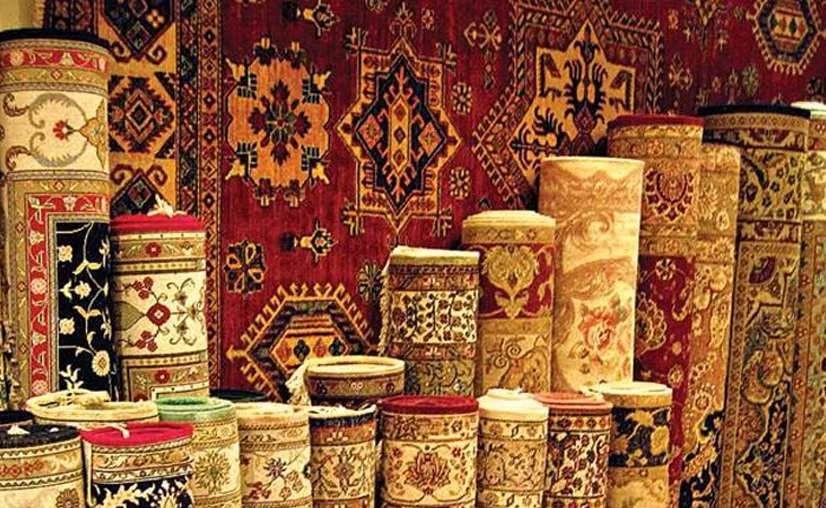
Jammu and Kashmir is globally acclaimed for its exquisite handicrafts. Pashmina shawls, Kani weaving, Papier-mâché, Carpet weaving, Wood carving and Embroidery i.e. Sozni and Aari reflect a high level of craftsmanship passed through generations. These crafts not only represent aesthetic beauty but also sustain livelihoods for thousands of artisans. The region’s architecture mirrors its syncretic culture. The wooden mosques of Srinagar, such as Khanqah-e-Moula, display Buddhist-inspired pagoda roofs. Temples like Raghunath Temple in Jammu and monasteries like Hemis in Ladakh showcase the coexistence of Hindu, Buddhist and Islamic styles. The traditional Khatamband ceiling work and Mud-brick houses of Kashmir exemplify local adaptation to the cold climate.
Festivals of all faiths are celebrated with equal fervour. Eid, Navroz, Baisakhi, Hemis Festival and Amarnath Yatra reflect the inclusive spirit of the people. The Kheer Bhawani Mela symbolises Hindu-Muslim unity, where devotees of all communities participate. Kashmiri Sufi music, Rouf dance by women, Dumhal by men of the Wattal tribe and Dogri folk songs of Jammu are integral to the region’s cultural identity. Instruments like the Santoor and Rabab occupy a place of pride in India’s classical music heritage. The cuisine of Jammu and Kashmir is a culinary reflection of its cultural diversity. Wazwan, the multi-course Kashmiri feast, is considered a symbol of hospitality and social bonding. In Jammu, Rajma-Chawal and Kaladi cheese are popular, while Ladakh offers Thukpa and Momos influenced by Tibetan traditions. Conflict and Displacement:Decades of militancy and unrest have disrupted traditional social harmony. The exodus of Kashmiri Pandits in the 1990s led to the loss of an entire cultural component from the valley. Erosion of Traditional Arts: Modernisation, economic instability and lack of institutional support have led to declining interest among youth in traditional crafts. Many artisans struggle to sustain their livelihoods. Neglect of Monuments and Heritage Sites: Many temples, mosques and forts are in a state of disrepair due to inadequate conservation and a lack of awareness about heritage preservation.
Heritage Conservation Programs:Systematic restoration of ancient temples, shrines and monuments should be undertaken through the Archaeological Survey of India and local bodies. Each district should identify and protect its unique heritage sites. Promotion of Handicrafts and Traditional: Establishing craft
Clusters, cooperatives and e-commerce platforms can help artisans access broader markets. Skill development programs should be launched for the younger generation. Cultural Tourism: Tourism circuits highlighting cultural assets – such as heritage walks, museum trails and folk festivals – can generate employment and awareness.
The cultural heritage of Jammu and Kashmir stands as a living testimony to India’s unity in diversity. From the mystic verses of Lal Ded to the intricate designs of Pashmina shawls, every aspect of Jammu and Kashmir’s culture speaks of resilience, creativity and coexistence. While the region has faced numerous challenges due to political instability and modernisation, its people have continuously upheld the spirit of harmony and brotherhood. Preserving this heritage is not merely an act of conservation but a duty towards safeguarding India’s civilisational identity. Through collective efforts, awareness and respect for tradition, the cultural legacy of Jammu and Kashmir can continue to inspire future generations and shine as a symbol of composite culture in the Indian ethos.

