


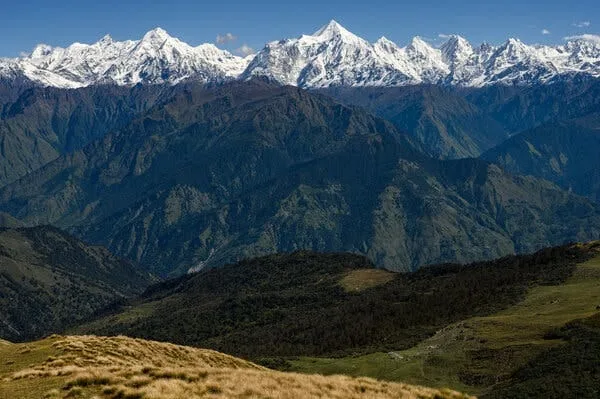
The Kashmir Valley is undergoing a profound metamorphosis, transitioning from a landscape once defined by volatility to one anchored in stability and aspiration. For decades, the narrative was dominated by the shadow of the gun and frequent shutdowns. However, a “New Narrative” is now taking root. This shift represents a strategic victory for the Indian Army’s counter-insurgency framework and the Government of India’s integrated developmental approach. By prioritising the “Pulse of the People,” the state has moved beyond mere kinetic operations to a holistic peace-building model where the restoration of normalcy is paving the way for unprecedented economic and social integration.
The modern history of Jammu and Kashmir is inextricably linked to the 1947 instrument of accession, signed by Maharaja Hari Singh following a Pakistan-backed tribal invasion. While the state initially enjoyed special status, the 1980s became a turning point. Political instability and perceived administrative lapses in the 1987 elections provided fertile ground for discontent. This was strategically exploited by Pakistan through a “proxy war” policy, leading to the genesis of armed insurgency in 1989. Infiltration of foreign mercenaries and the rise of radicalised local cadres transformed the Valley into a conflict zone, resulting in the tragic exodus of Kashmiri Pandits and decades of cross-border terrorism that stalled the region’s growth.
The abrogation of Article 370 on 05 August 2019 served as a “strategic reset”, fundamentally altering the security and psychological landscape of the Valley. By removing the constitutional barrier that many perceived as a shield for separatist politics, the Government of India established a direct administrative link with the people. The most visible impact has been the demise of the “Stone Pelting” culture and organised hartals which previously paralysed the economy. Data indicates a 70% decline in terrorist incidents and a significant reduction in civilian casualties post 2019. More importantly, there is a tangible shift in public attitudes. The youth, once vulnerable to radicalisation under the guise of “special status”, are increasingly gravitating toward the “Aspirations Narrative.” The establishment of a three-tier grassroots democracy through District Development Council and Block Development Council elections has empowered local leadership, making ordinary citizens stakeholders in governance rather than bystanders to conflict.
The current pulse of the Kashmir Valley reflects a sophisticated blend of reconciliation, pragmatism and a rejection of violence. The most defining feature of today’s Kashmir is the complete cessation of organised street violence, stone-pelting and separatist-sponsored hartals. For the first time in three decades, the administrative cycle is no longer dictated by a calendar of protests. Schools, businesses and tourism-the lifeblood of the local economy now operate with uninterrupted continuity, signalling that the common Kashmiri mother and businessman have prioritised the quality of life over ideological turmoil.
However, the security landscape remains nuanced. While domestic support for militancy has dwindled, foreign-sponsored terrorism continues to be a persistent challenge that local recruitment is failing terror handlers across the border have pivoted toward “hit-and-run” tactics and targeting soft targets such as non-local labourers and minority communities to create a sense of fear. The 2024-25 period saw audacious attempts to revive terrorism in the Jammu region indicating that while the Valley’s internal “pulse” is stabilizing, external actors remain desperate to disrupt this peace.
The youth of the Valley are increasingly identifying with the national mainstream driven by a desire for competitive exams, sports and global connectivity. This shift is not merely a “change of heart” but a conscious realisation that confrontation leads only to physical loss without political gain. The presence of an elected government led by Chief Minister Omar Abdullah has further channelled this energy into democratic aspirations. However, the public now seeks the restoration of full statehood and equal constitutional empowerment as the final step toward complete integration.
Moving into 2026, the strategy must evolve from “conflict management” to “conflict resolution”. The roadmap has a dual focus: consolidating security gains by dismantling residual foreign terrorist cells in high-altitude areas like Kishtwar and Doda, while simultaneously fulfilling political promises, such as the restoration of full statehood. Empowering the newly elected local government to lead developmental initiatives, ranging from the Apple Ag-Tech supply chain to the commissioning of 2,000 startups, will bridge the psychological gap and ensure governance by ownership rather than oversight.
In conclusion, the “New Narrative of the Kashmir Valley is a testament to the resilience of its people and the efficacy of a unified national approach. A collective commitment to peace and prosperity has superseded the era of hybrid warfare and street disruption. As Jammu and Kashmir moves toward a future defined by democratic governance and economic integration, the transformation remains irreversible. Today, the pulse of the Valley beats in rhythm with the rest of the nation, signalling a final victory over the decades-long cycle of conflict.

