


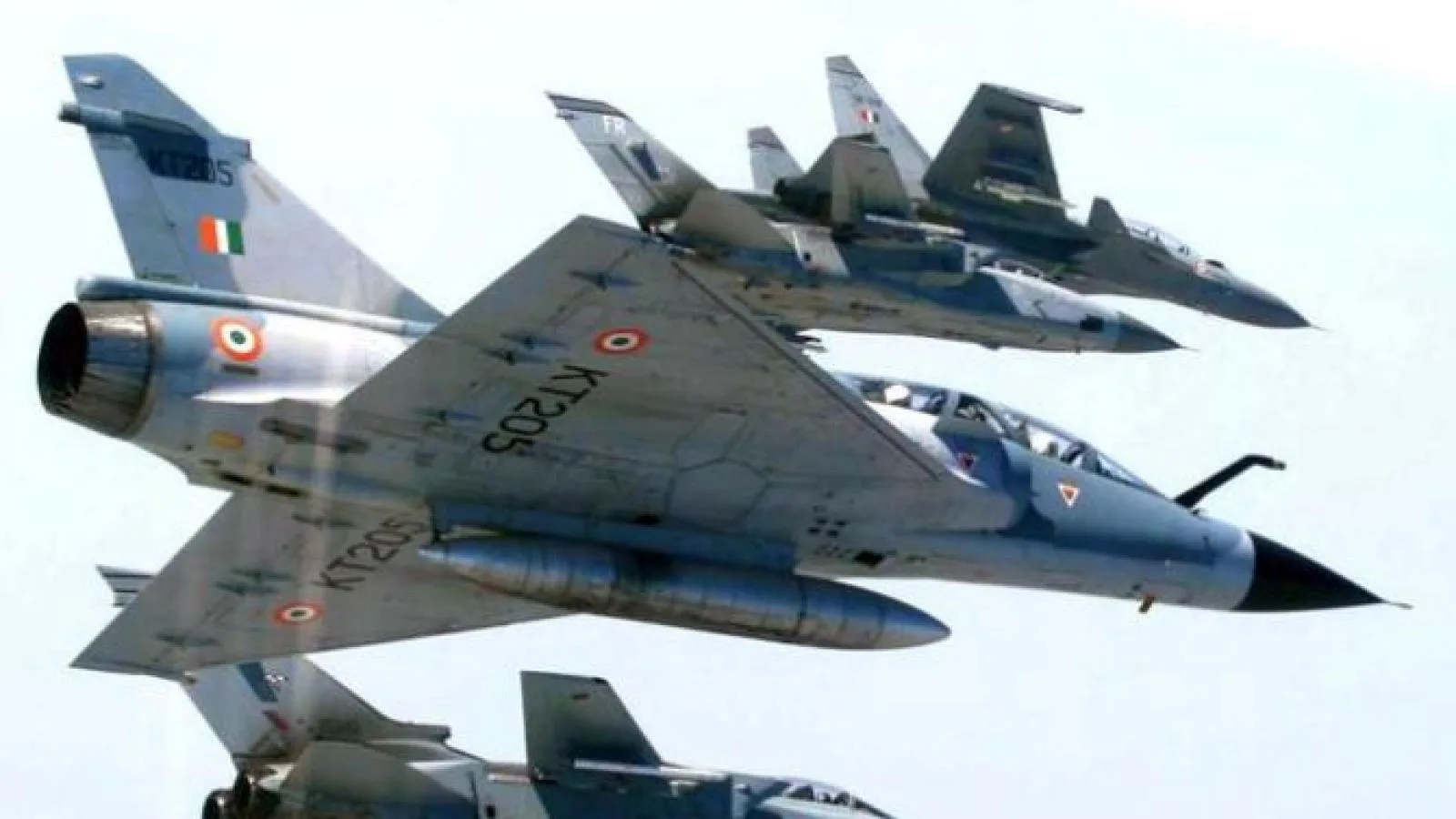
The Balakot airstrike of February 2019 remains etched in the annals of modern strategic history as the definitive moment when India discarded the cumbersome shackles of strategic restraint and finally spoke to the sponsors of terror in the only language they truly understand. For decades, Pakistan had operated under the delusional safety of a nuclear umbrella, believing that its cowardly proxy war could continue indefinitely without inviting a kinetic response from a patient Indian state. This illusion was shattered in the early hours of February 26 when the Indian Air Force executed a masterclass in precision and political will, proving that the international boundary is no longer a shield for those who export death and destruction. The tragedy of Pulwama, where forty brave souls were lost to a heinous suicide bombing orchestrated by the Jaish-e-Mohammed, served as the final catalyst for a nation that had reached the limits of its endurance. It was a moment of profound reckoning for a Pakistani establishment that had long nurtured vipers in its backyard, only to realise that the reach of a resurgent India was now long and its resolve was unshakable.
Operation Bandar was not merely a military manoeuvre; it was a loud and clear proclamation of a new Indian doctrine that prioritised the safety of its citizens over the outdated and one sided protocols of conventional restraint. By sending twelve Mirage 2000 fighter jets deep into the sovereign territory of Pakistan to strike the terror factory at Jaba Top, India demonstrated that the geography of terror has no sanctuary. The target was specifically chosen as the largest training camp of the Jaish-e-Mohammed, a facility led by the brother in law of the notorious Masood Azhar, which functioned with the blatant complicity of the Pakistani deep state. While the official machinery in Islamabad scrambled to hide the evidence of their failure by claiming that only trees were hit, the reality of the precision strikes by the SPICE-2000 munitions told a different story. These munitions were designed to penetrate the very heart of the buildings where fidayeen were being trained to kill Indians and the silence of the aftermath was the greatest testament to the efficacy of the operation.
The significance of the Balakot strike transcends the immediate destruction of a terror camp because it fundamentally upended the strategic calculus of South Asia. For years, Pakistan had used its nuclear status as a form of blackmail, suggesting that any conventional response to its terror attacks would lead to an all out nuclear conflagration. India’s decision to call this bluff was a masterstroke of calibrated escalation, proving that there exists a significant space for conventional military action below the nuclear threshold. By framing the operation as a non military pre-emptive strike, India ensured that the global community understood the target was the infrastructure of terror rather than the Pakistani state or its people. This nuance left Islamabad with a humiliating choice between acknowledging the existence of terror camps on its soil or pretending that nothing had happened while its vaunted air defences were exposed as a hollow sieve.
Following the strikes, the desperate attempt by the Pakistan Air Force to retaliate during Operation Swift Retort only served to further highlight the professional superiority of the Indian Air Force. The aerial engagement over the skies of Jammu and Kashmir saw a legacy MiG-21 Bison, piloted by the intrepid Wing Commander Abhinandan Varthaman, take down a far more advanced F-16 fighter jet. This feat of airmanship became a symbol of Indian grit and the recovery of AMRAAM missile fragments on Indian soil provided irrefutable proof of Pakistan’s misuse of its military assets and its constant stream of lies to the international community. Even the subsequent capture and release of the Indian pilot, framed by a panicked Islamabad as a peace gesture, was in reality a forced concession under immense global and military pressure. The return of the pilot within forty eight hours was a diplomatic victory for India, showcasing a nation that could dominate both the kinetic and the narrative domains of conflict.
The internal rot of the Pakistani state has always relied on the export of jihad to sustain its domestic relevance, but Balakot ensured that the cost of this export would now be prohibitively high. The strike was a decisive blow against the culture of impunity that had characterised the Pakistani military’s approach to the Kashmir valley. It sent a message to the handlers of the Jaish-e-Mohammed and the Lashkar-e-Taiba that their operational headquarters in places like Bahawalpur and Muridke were no longer out of reach. This shift in policy was not a temporary flash in the pan but the beginning of a sustained era of accountability. The precedent established at Balakot directly paved the way for future operations like the Op Sindoor, where India responded to the Pahalgam massacre with an even more expansive series of strikes across nine locations. This continuity proves that the new normal is here to stay and any attempt to bleed India with a thousand cuts will be met with a surgical and overwhelming response.
Looking back, the Balakot strike was the moment India transitioned from a reactive power to a proactive guardian of its own security interests. It exposed the world to the reality of Pakistan as a state that prioritises the sheltering of UN proscribed terrorists over the economic well being of its own citizens. While Islamabad continues to struggle with the ignominy of being a global pariah, India has consolidated its position as a responsible yet firm regional power. The strikes forced a total rethinking of air defence and geodetic intelligence, leading to the rapid induction of advanced systems like the S-400 and the integration of drone warfare that were later utilised to thwart Pakistani aggression in 2025. This technological and doctrinal evolution is the true legacy of Balakot, as it has built a credible deterrent that ensures no future terror architect can sleep soundly while planning an attack on Indian soil.
The critics who obsessed over satellite imagery and crater diameters missed the forest for the trees, for the true impact of Balakot was psychological and strategic rather than merely physical. It shattered the Pakistani myth of invulnerability and demonstrated that the Indian leadership possessed the stomach for high stakes manoeuvres. The era of dossiers and diplomatic protests has been replaced by the era of the kill chain and terminal precision. Pakistan’s continued denial of the damage inflicted at Jaba Top is a transparent attempt to save face before a domestic audience that has been fed a steady diet of military propaganda for generations. However, the world saw the truth when the Jaish-e-Mohammed’s operational capacity was crippled and its top leadership was forced into hiding.
The Balakot strike remains a shining beacon of Indian resolve and a permanent scar on the credibility of the Pakistani establishment. It was a decisive blow against terror because it stripped away the masks of deniability that Islamabad had worn for decades. By taking the fight into the heart of the enemy’s territory, India redefined the boundaries of its defence and secured a future where the cost of aggression is borne by those who initiate it. The message to the sponsors of terror is now unambiguous; India will no longer absorb the pain of your cowardice and we will find you, we will strike you and we will dismantle the very foundations of your hate wherever they may lie. Balakot was not the end of the struggle against terror, but it was certainly the beginning of the end for the state sponsored sanctuary of jihad in South Asia.

