


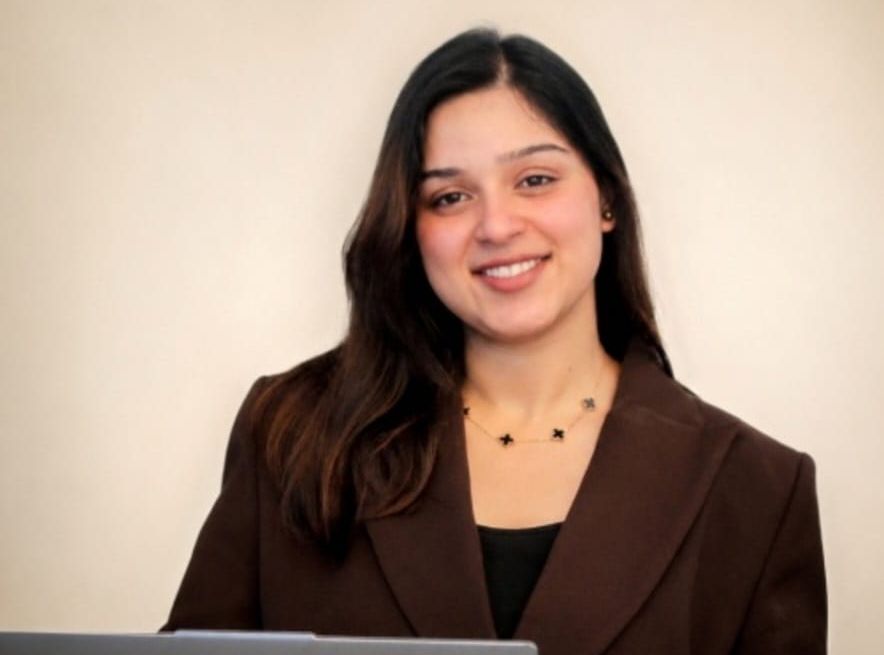
Nuha Haris
This year, TEDxDalLake brings “Changemakers of India” to the centre of its conversation. But before we talk about the people who change our country, perhaps we need to ask a more uncomfortable question: What exactly makes someone a changemaker? Is it fame? Achievement? Money? Power? Is it the entrepreneur building something that could change the world, the person in a position of authority serving the nation, or the teacher shaping an entire generation? Is it the farmer who puts food on our tables, the defence personnel protecting our borders, or the person working quietly in the background without ever being noticed? Or is being a changemaker something much simpler—the decision to leave the world a little better than you found it?
Most of us imagine changemakers as extraordinary people. We associate the word with names we recognise, achievements that make headlines and stories that are impressive enough to be told on a stage. Somewhere along the way, we have convinced ourselves that to create change, we must first do something extraordinary. But perhaps that is where we have misunderstood change. A changemaker is not necessarily someone who changes millions of lives. It can be someone whose actions change the life of one person, one family, one classroom or one community. It can be a mother who sacrifices everything so her children can reach for the skies. A teacher who teaches her students not only what is in a textbook, but how to become honest and compassionate human beings. A social worker who continues showing up for people who have nowhere else to turn. A farmer trying a different way of doing things. A person who refuses to look away when something is wrong. There is no measuring scale for being a changemaker. What matters is not always the size of the impact, but the willingness to create it. Change begins when someone refuses to accept, “This is how things have always been.” It begins when someone questions what others have accepted as normal. It begins when we question even ourselves: Are the beliefs we hold truly ours, or have they simply been handed down to us by society? Are they fair? Are they morally right? And if they are not, are we willing to challenge them?
The question, then, is not whether we can create change. It is whether we are willing to act. India does not have a shortage of ideas. We are a country full of talented, creative and ambitious people. We identify problems, discuss them, debate them and often know exactly what needs to be done. Yet somewhere between recognising a problem and doing something about it, we stop ourselves. “Bas mere ek cheez se thodi kuch hoga?” Perhaps this is one of the biggest obstacles to change. We underestimate the power of our own actions because we cannot immediately see their consequences. We want to know that our effort will matter before we make it. But change rarely works that way.
Awareness is not action. Knowing that something is wrong does not change it. Talking about an issue does not solve it. Sharing a post about a problem does not automatically make us part of its solution. Awareness can open our eyes, but action is what moves our feet. We often romanticise the “big idea”. We imagine that meaningful change must arrive through one revolutionary invention, one extraordinary individual or one dramatic moment. In reality, change is often built through persistence—through people making decisions, taking risks, challenging assumptions and continuing even when the results are not immediate. And society does not always make it easy. People who try to bring change are not necessarily welcomed with garlands of roses. They are questioned. They are criticised. Sometimes, they are made to feel foolish for trying. The moment someone chooses to do something differently, there will often be someone asking, “Why?” But some people continue anyway. They stop complaining about the problems around them and begin searching for solutions. They choose to build instead of merely criticise. They preserve what is disappearing, create what does not yet exist and challenge what should no longer remain the same.
Kashmir has no shortage of such people. Behind the headlines and beyond the narratives that usually define the Valley, there are people quietly creating, building, preserving and innovating. There are entrepreneurs creating opportunities, artists and craftspeople keeping traditions alive, educators shaping young minds, farmers experimenting with new possibilities, young people using technology to solve local problems and individuals working within their communities to make everyday life a little better. Many of these stories may never reach a national audience. And perhaps that is where a platform like TEDxDalLake becomes meaningful. A platform does not create a changemaker. The work has already been done. What a platform can do is give that work a place to travel. An idea that begins with one person can reach someone hundreds or thousands of kilometres away. A story from one community can make another community believe that change is possible for them too. Someone listening from the audience may walk away not simply inspired, but willing to try something they had been too afraid to begin. That is the real power of sharing ideas.
The theme “Changemakers of India” is therefore more than a collection of inspiring stories. It asks us to look again at the people around us—and at ourselves. It asks us to move beyond the conventional image of a hero and recognise that change can come from places we do not expect. And Kashmir deserves to be part of that conversation. For too long, many stories from the region have remained confined to the region itself. There is immense creativity, resilience, entrepreneurship and innovation here, but local stories can remain local unless someone creates a bridge between the person with the idea and the people who need to hear it. TEDxDalLake can be one such bridge. But perhaps the conversation should not end when the stage lights go off.
At the end, my dear reader, I would like you to challenge the word: “hero”. Does calling someone a hero sometimes allow the rest of us to step away from our own responsibility? Should a changemaker simply be celebrated, or should their work be replicated, supported and carried forward? And, perhaps most importantly: What happens after the applause ends? Because change cannot live on a stage forever. An idea has value when it leaves the room. A story has power when someone carries it forward. Inspiration matters when it becomes action.
So perhaps the question we began with—Who gets to be called a changemaker?—is not the question we should leave with. The better question is: What change can I create? So, the next time you find yourself thinking, “What difference can one person make?”, pause for a moment. Maybe the answer is you.
(About the Author: Nuha Haris is a member of the Organising Committee at TEDxDalLake.
Contact: nuhaharis0409@gmail.com)

