


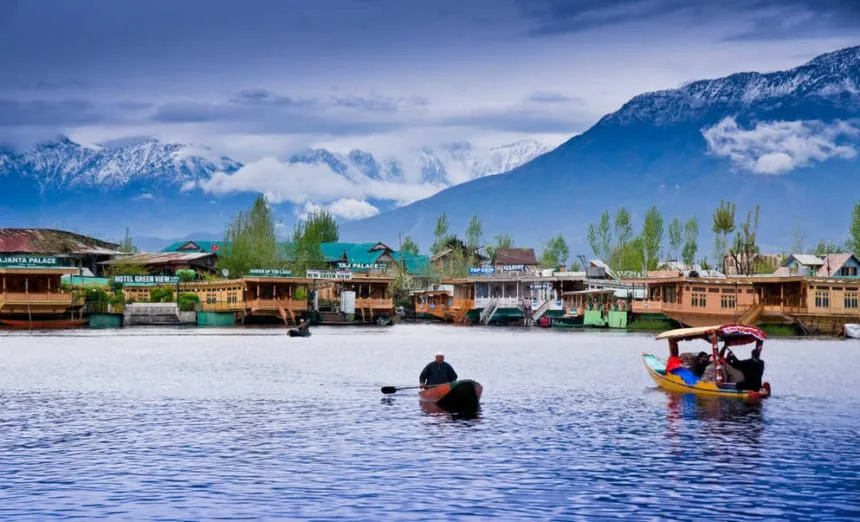

Kashmir has always held a special place in the imagination of travellers. Its snow-clad mountains, crystal-clear lakes, green meadows, flowering gardens and rich cultural traditions have earned it the enduring title of “Paradise on Earth.” Today, however, Kashmir represents much more than a picturesque destination. Its tourism sector is emerging as an important engine of economic growth, employment, entrepreneurship, cultural preservation and community development. The region is gradually evolving into a destination where nature, culture, adventure and opportunity come together.
Kashmir’s greatest strength lies in its extraordinary diversity. The tranquil waters of Dal Lake, historic gardens of Srinagar, alpine landscapes of Gulmarg, valleys of Pahalgam and Sonamarg and numerous lesser-known destinations offer visitors experiences beyond conventional sightseeing. Heritage sites, shrines, traditional markets, local cuisine and centuries-old handicrafts further enrich the visitor experience. This combination of natural beauty and cultural heritage gives Kashmir a distinctive identity capable of attracting families, adventure enthusiasts, photographers, nature lovers and international travellers. An important feature of Kashmir’s evolving tourism landscape is the expansion of opportunities beyond established tourist centres. Improved connectivity, roads, accommodation and tourism infrastructure are making more destinations accessible. As lesser-known villages and valleys become connected with the tourism network, local communities can increasingly participate in the tourism economy and benefit from new livelihood opportunities.
Adventure tourism is adding another dimension to Kashmir’s appeal. Its mountains, rivers, forests and snow-covered slopes provide ideal opportunities for skiing, trekking, mountaineering, rafting, camping and other outdoor activities. Gulmarg has emerged as a prominent winter-sports destination, while Pahalgam, Sonamarg and other mountainous areas offer opportunities for trekking and adventure experiences. The growth of these activities can create employment for local guides, instructors, transport operators, hospitality workers and small entrepreneurs. Rural and community-based tourism also hold significant potential. Kashmir’s villages preserve traditional lifestyles, agricultural practices, crafts, cuisine and community traditions that can provide visitors with authentic experiences. Homestays can generate supplementary income for families while allowing tourists to experience local culture more closely. Responsible village tourism can therefore support rural livelihoods while preserving Kashmir’s cultural identity.
The region’s world-renowned handicrafts provide another important connection between tourism and local livelihoods. Pashmina, carpets, papier-mâché, wood carving, copperware and embroidery represent generations of craftsmanship and cultural knowledge. Tourism can help sustain these traditions by creating markets for authentic products and connecting artisans with visitors. Better branding, certification, digital marketing and access to wider markets can further strengthen this relationship. Tourism also offers a broad employment ecosystem for young people. Opportunities extend beyond hotels and travel agencies to include guiding, hospitality, transportation, photography, digital content creation, adventure sports, event management and tourism entrepreneurship. Skill development and professional training can help young people convert local talent into sustainable careers. Women-led homestays, handicraft enterprises, traditional food businesses and cultural experiences can similarly create avenues for entrepreneurship and income generation.
At the same time, sustainable tourism must remain central to Kashmir’s future. The region’s fragile Himalayan ecosystem requires responsible management. Waste generation, traffic congestion, unplanned construction and pressure on natural resources can damage the very environment that attracts visitors. Sustainable planning, effective waste management, eco-friendly infrastructure and responsible travel practices are therefore essential for long-term tourism growth. Technology is opening another important window to the world. Digital platforms and social media allow hotels, homestays, artisans, guides and tourism entrepreneurs to reach visitors directly. Digital storytelling can showcase Kashmir’s landscapes alongside its cuisine, festivals, crafts, villages and adventure experiences, creating a more complete picture of the region for domestic and international audiences.
The future of Kashmir tourism depends on maintaining a balance between growth and responsibility. Infrastructure development must go hand in hand with environmental protection, while increasing visitor opportunities should be matched by quality services, skilled manpower and greater community participation. Kashmir’s identity as Paradise on Earth remains timeless, but its tourism story is entering a new chapter. Its greatest strength lies not only in its mountains, lakes and meadows, but also in its people, culture, creativity and entrepreneurial potential. From traditional houseboats and heritage crafts to adventure tourism, rural experiences and modern hospitality, Kashmir is building a tourism ecosystem capable of connecting local aspirations with national and global opportunities. Its journey from a celebrated paradise to a destination of peace, prosperity and opportunity reflects the growing potential of tourism to connect communities, cultures, livelihoods and the wider world.